How to Measure Your Bra Size at Home
Last updated: March 2026
Use a soft measuring tape and a mirror to get a better starting bra size at home. This guide shows how to measure your underbust and bust correctly, avoid common mistakes, and use your numbers more confidently.
How this page helps
This guide helps you measure your bra size more accurately at home, avoid common mistakes, and move to the right next step after measuring.
Method
The guidance on this page is based on standard band-and-bust measuring methods, practical size-chart logic, and common fit-adjustment patterns.
Reviewed
By Pooja Panwar • Fit guidance and content review
Quick answer
To measure bra size at home, take two numbers: your underbust and your fullest bust. Measure the underbust snugly where the bra band sits, then measure the bust more softly around the fullest part. Keep the tape level the whole time and use the result as a starting point, not a final guarantee.
What you need
- • Soft measuring tape
- • Mirror
- • Non-padded bra or soft bralette
- • 2 to 5 quiet minutes
Core method
- • Measure your underbust snugly
- • Measure your bust around the fullest part
- • Keep the tape level front to back
- • Use the numbers as a starting size estimate
Best rule to remember: keep the band measurement snug, keep the bust measurement gentler, and keep the tape parallel to the floor the whole time.
Most people get better results if they do this first
1
Measure in front of a mirror
You will catch tape tilt and posture mistakes much faster.
2
Repeat each measurement once
If the numbers are different, take a third reading and use the most consistent result.
3
Use the result as a starting point
Real bra fit still depends on style, shape, brand, and comfort preference.
If your bras feel uncomfortable, leave marks, gape, slip, or never seem to fit quite right, your measurements may need updating. With a soft measuring tape and a mirror, you can measure your underbust and bust at home in a few minutes and get a much better starting bra size.
The "+4 inch" sizing myth
Many older fitting methods suggest adding 4 inches to your underbust measurement. Modern bras are already elastic, so adding inches often leads to a band that is too loose to support properly.
Before you start
Step 1: Measure your underbust
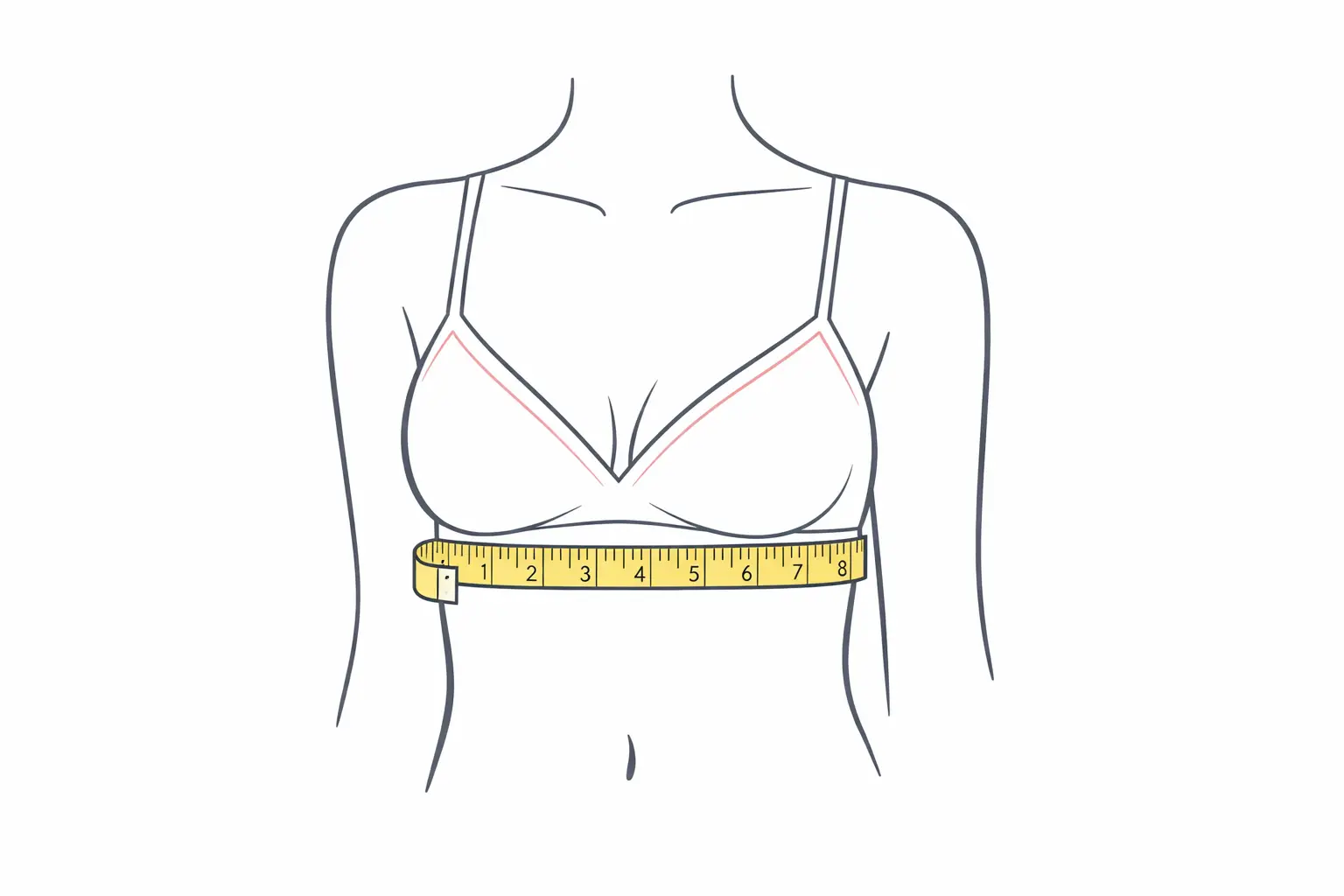
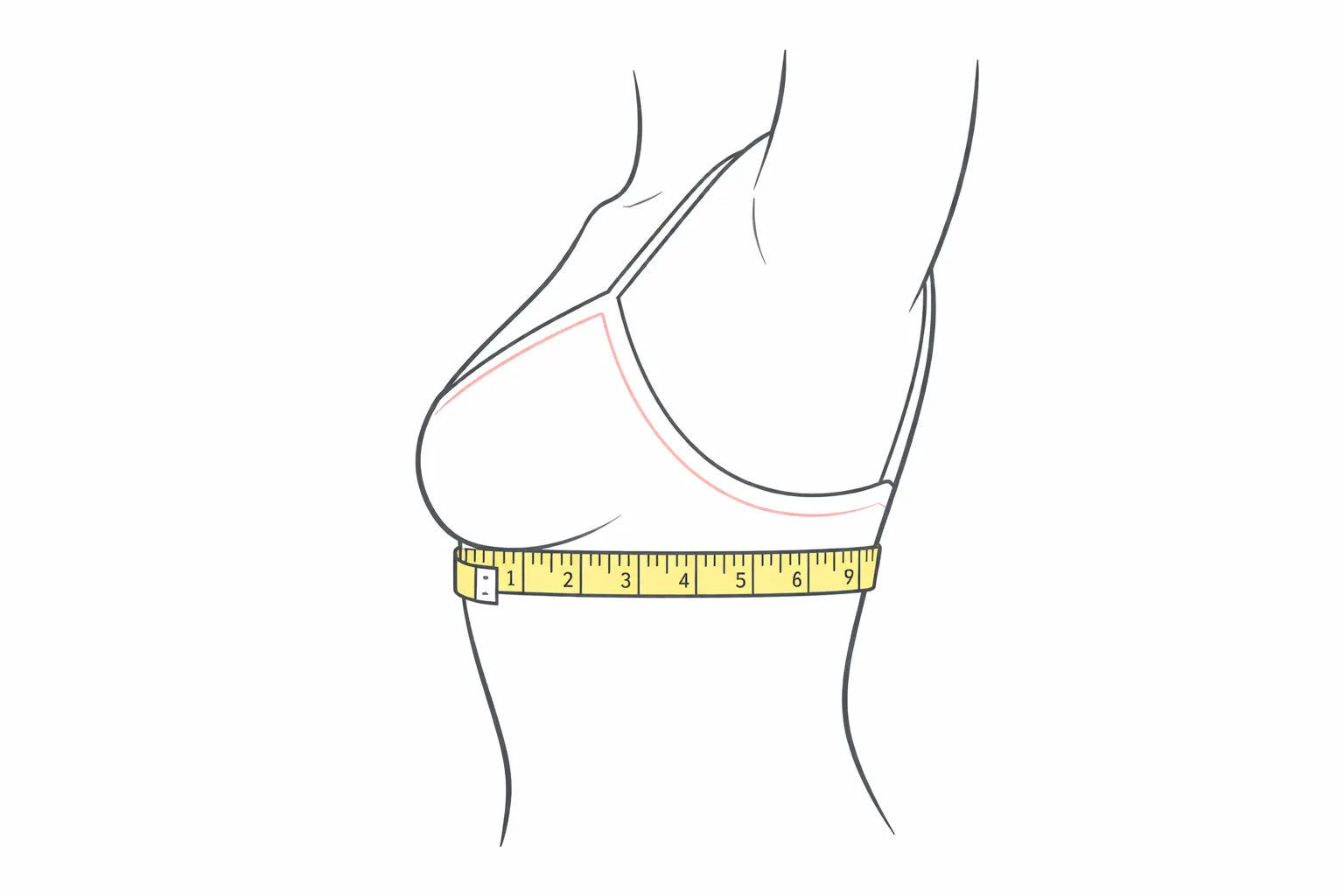
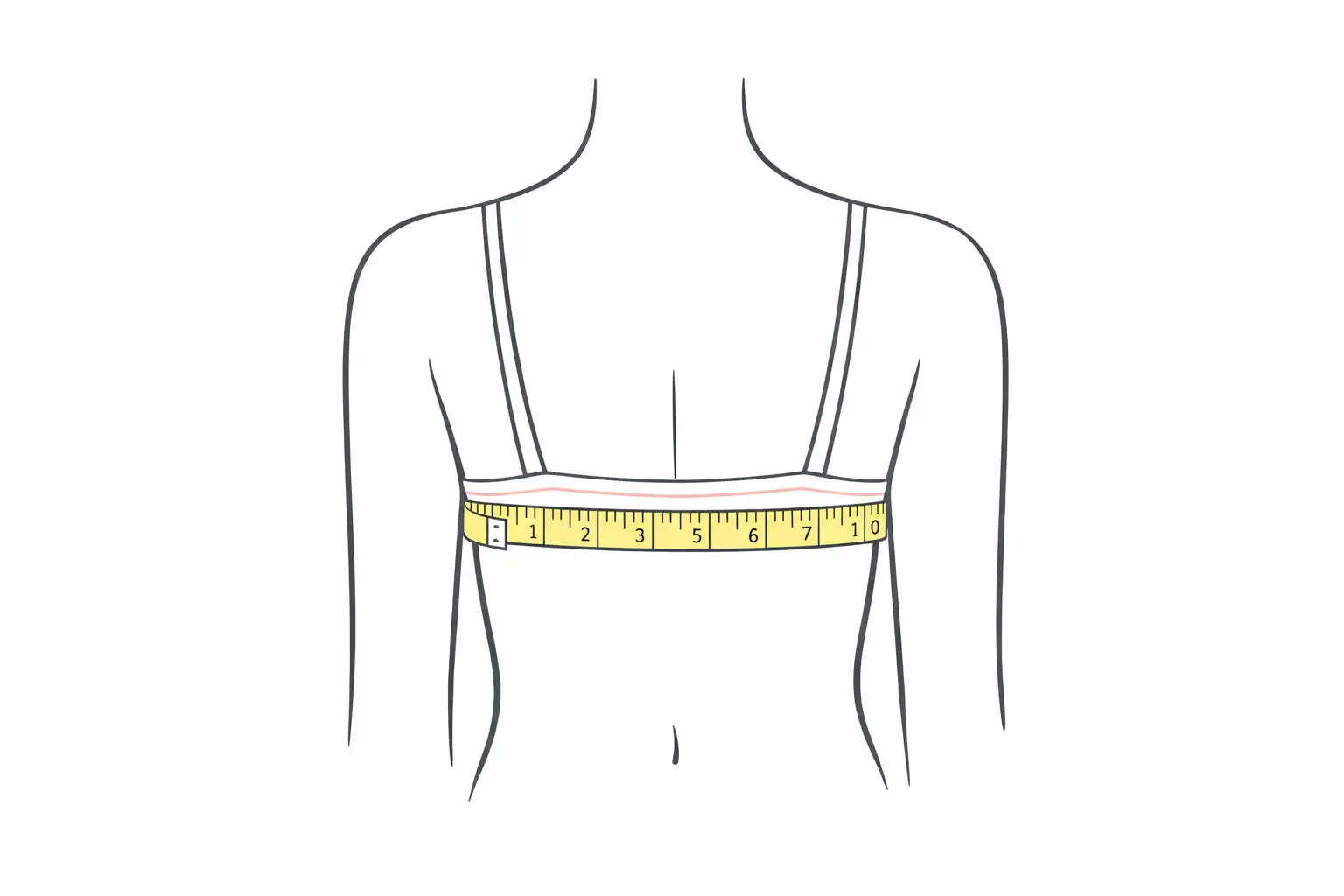
Your underbust measurement helps estimate your band size. Place the tape where the bra band sits and keep it comfortably snug.
Tape posture check
The tape should stay perfectly horizontal from the front, side, and back. If it rides up or tilts, your band measurement becomes less reliable.
Step 2: Measure your bust
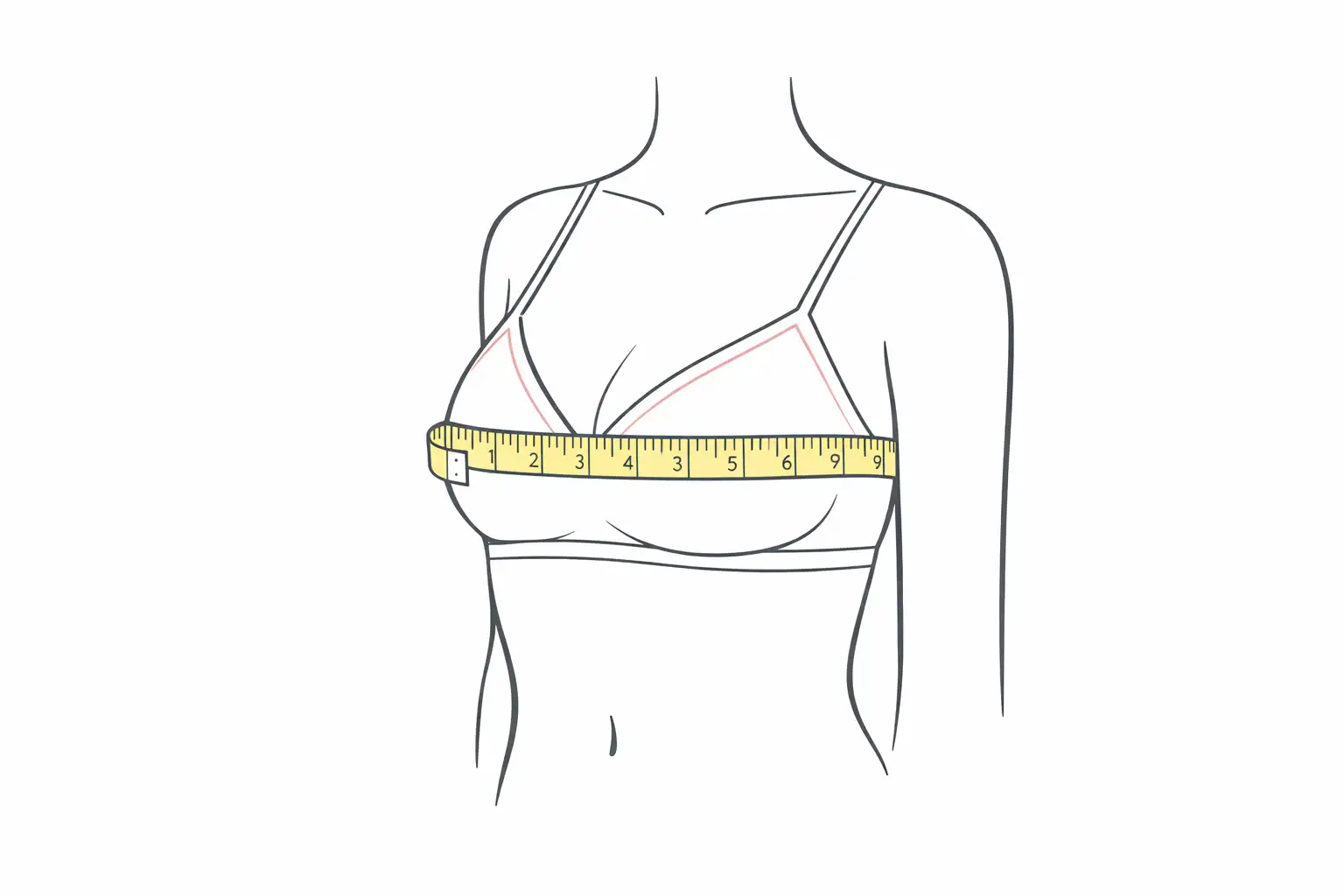
This measurement helps estimate your cup size. Wrap the tape around the fullest part of the bust without pulling so tightly that it compresses tissue.
Worked example
If your underbust is 32 inches and your bust is 36 inches, those numbers become the starting input for a bra size calculator or size chart. The exact size that feels best can still vary by brand, bra style, and breast shape.
What your numbers mean
Once you have both measurements, the underbust usually helps estimate the band and the difference between bust and band helps estimate the cup. This gives you a strong starting point, but not every bra with the same label will feel identical.
Underbust
Helps estimate your band size.
Bust
Helps estimate cup volume when compared with the band.
Final fit
Still depends on shape, bra style, brand, and comfort.
Common measurement mistakes
Advanced fitting scenarios
Breasts are asymmetrical?
Measure to the larger side for better comfort, then fine-tune the smaller side with strap adjustment or light padding.
Softer tissue or fuller bust?
Measure calmly without squeezing tissue into the tape. In these cases, fit-checking after measurement is especially important.
When to remeasure
Good times to remeasure
- • Noticeable weight change
- • Pregnancy or postpartum changes
- • Your bras suddenly feel wrong
- • Every 6 to 12 months
Signs your old numbers may be off
- • Band rides up often
- • Cups gape or spill
- • Straps slip more than usual
- • Underwire suddenly feels uncomfortable
What to do after measuring
Once you have both numbers, the best next step is not guessing randomly. Use your measurements to get a starting size estimate, then compare nearby sizes and fit symptoms if needed.
Frequently asked questions
Should I measure my bra size with or without a bra?▼
For most people, measuring in a non-padded bra or soft bralette works best. It keeps the bust in a more natural supported position without adding extra volume like a push-up bra can.
How tight should the tape be under the bust?▼
The underbust tape should feel snug, not painfully tight. It should stay level and close to the body because this number helps estimate your band size.
How loose or tight should the bust measurement be?▼
The bust tape should sit gently around the fullest part of the bust. Do not pull tight enough to flatten tissue, and do not let it hang loosely.
Should I measure in inches or centimeters?▼
You can use either, but inches are often easier for Indian and UK-style bra size references. The most important thing is measuring carefully and entering the correct unit consistently.
What if one breast is larger than the other?▼
That is very common. Measure to the larger side for a more comfortable cup fit, then adjust the smaller side with strap tension or removable padding if needed.
Why does my bra band ride up in the back?▼
If your band rides up in the back, your band size is often too loose. It can also happen if the cups are off or the straps are overtightened, but a loose band is one of the most common reasons.
What if my measured size feels wrong in real bras?▼
Your measurements give you a strong starting point, not a guaranteed final fit. Shape, brand, style, and comfort preference still matter, which is why fit checking and sister sizes can help.
Once you have both measurements, enter them into our bra size calculator to estimate your band size, cup size, and nearby sister sizes.
Get your fit estimate
Enter your measurements into the calculator to see your suggested size, then use nearby guides if the first result still needs fine-tuning.